May Newsletter | Save Sunshine Shelter Kids
TRANSFORMING LIVES, CREATING HOPE

Rescue • Education • Resettlement • Advocacy

Our May Newsletter Impact

Hello, Everyone!

Welcome to our May Newsletter.

We remain firmly committed to advocating for, supporting, and rescuing boys from life on the streets, as well as reaching those who find themselves in vulnerable and often overlooked circumstances. Many of these children continue to be affected by ghetto and gang influences, which have a deeply negative impact on a growing number of young people across Uganda.


This month’s newsletter highlights the meaningful progress achieved through our ongoing programs and initiatives. It reflects our continued efforts to provide children and youth especially the older boys with a new beginning in life. Through structured rehabilitation pathways, we are working to reintegrate them into education systems, enroll them in school where possible, and provide access to vocational training and life skills development. These opportunities are designed to restore hope, dignity, and long-term stability.

From education and healthcare to daily life within the program, May has been a period marked by steady progress, resilience, and a strengthened commitment to the well-being and future of the children in our care.

Highlights From May

50–70

Children attended street outreach

8

Children rescued and resettled

12

Preventive interventions conducted

62

Children in day and boarding school

Impact Progress

Success Story

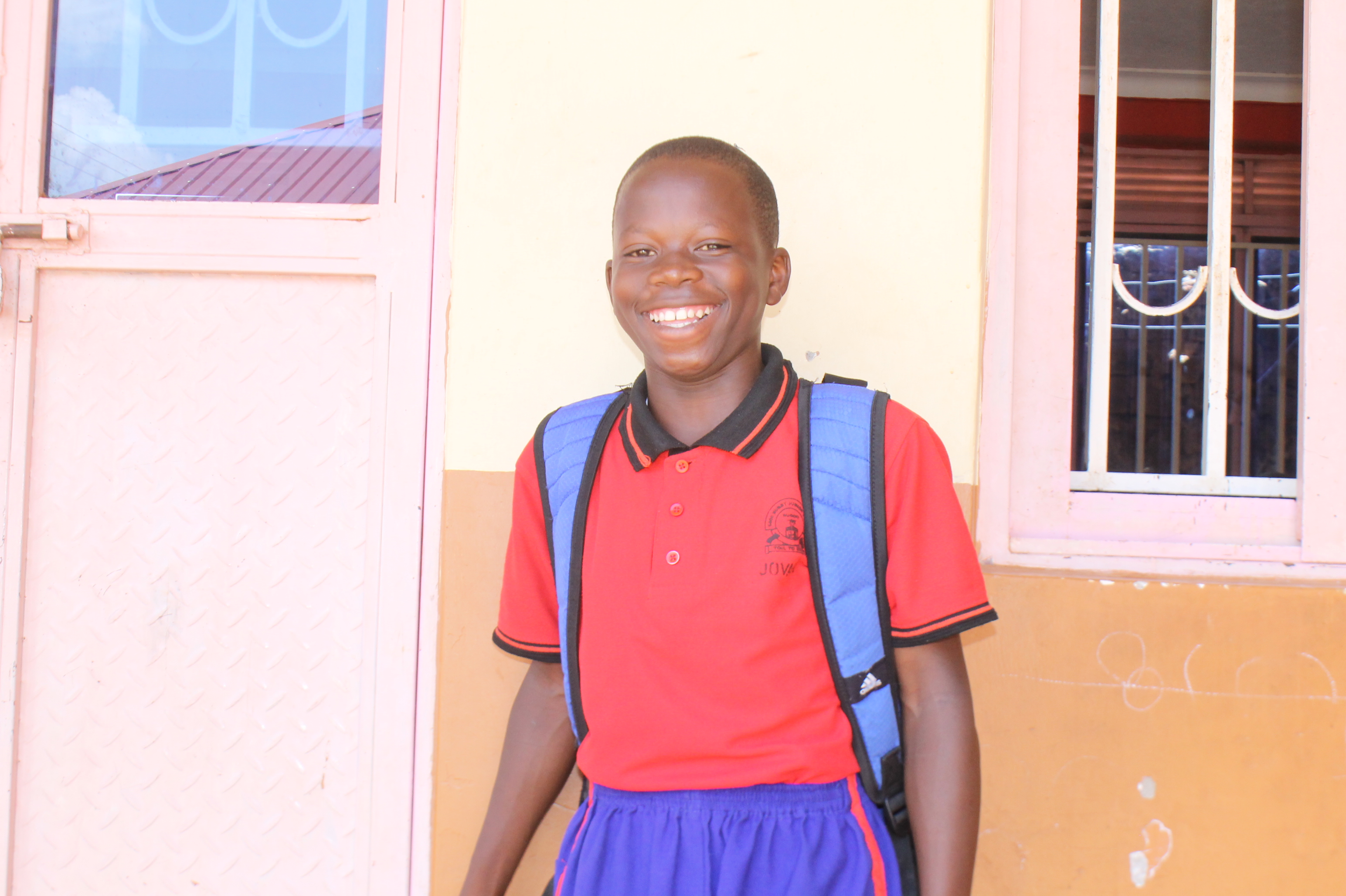
"Before joining Save Sunshine Shelter Kids, I spent most days on the going from one relative house to house. Today I attend school and dream of becoming a Foot ball player and Computer Engineer."

Through rescue, counseling, education support and mentorship, children rebuild their futures.

Image 1 Image 2 Image 3
2026 Street Kids Outreach Newsletter

𝐒𝐓𝐑𝐄𝐄𝐓 𝐊𝐈𝐃𝐒 𝐎𝐔𝐓𝐑𝐄𝐀𝐂𝐇 𝐏𝐑𝐎𝐆𝐑𝐀𝐌𝐒

Supporting street children through outreach, rescue, protection, feeding and healthcare.

The month of May was mainly focused on resuming the regular street outreach programs after spending much of April organizing activities for the International Day for Street Children, which involved numerous organizational meetings and preparations. The street children outreach programs have, for the most part, been running smoothly on Mondays and Wednesdays, except for Fridays when the number of children is considerably larger.

We are currently observing an increase in the number of new children compared to older boys, particularly within the 13 to 15 age group. This trend is largely influenced by older boys who encourage peers from their home villages to join street life in Kampala. Many of these children are drawn by aspirations of becoming musicians, as the presence of various dance and performance groups in the city creates the impression of opportunity and success, which significantly influences their decisions to migrate to the streets.
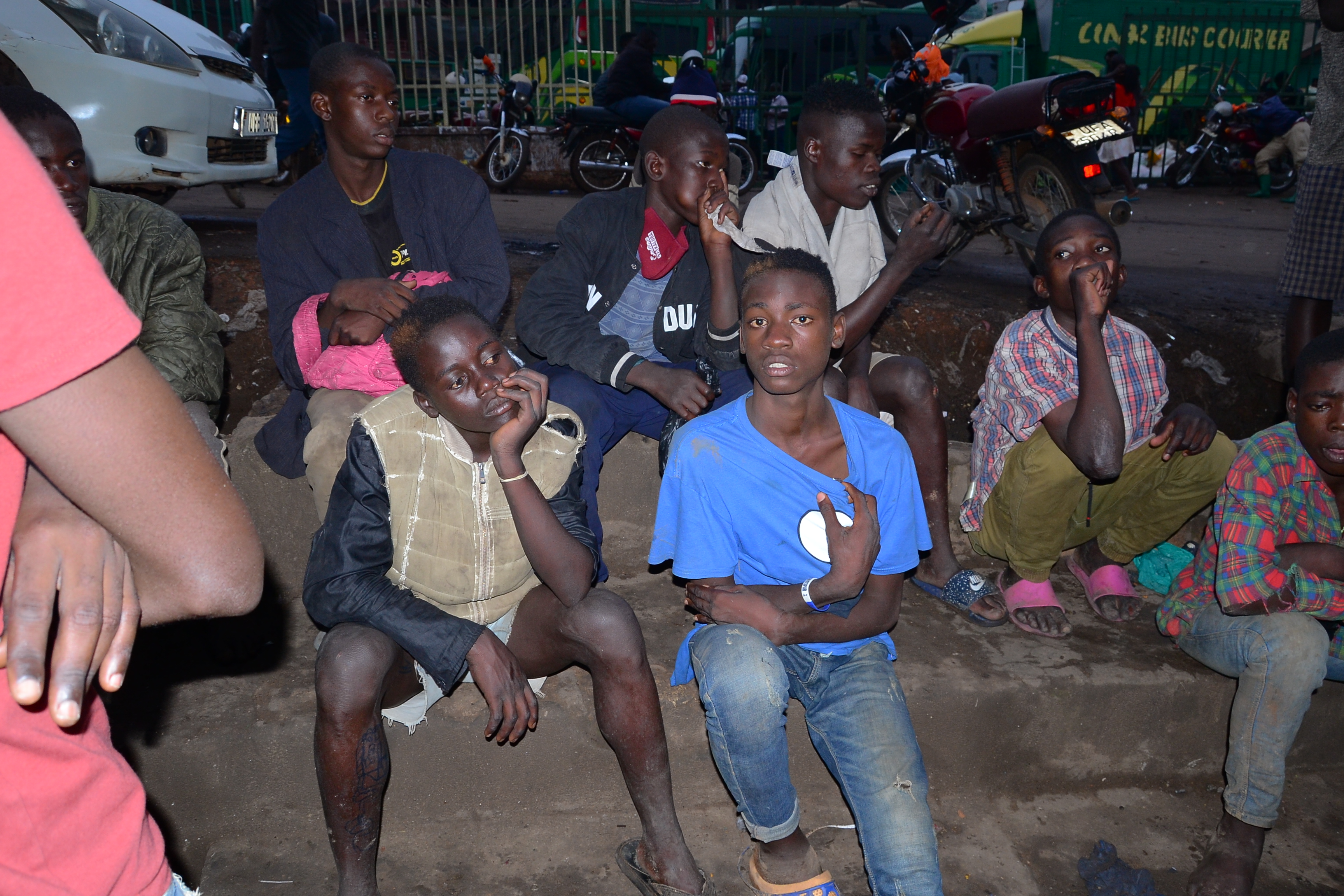
Street Outreach Program
Street children participating in outreach activities and community support programs.
Key Challenge: Ongoing demolitions continue to displace street children, forcing outreach activities farther from the city center and increasing transportation and operational costs.

We are now operating farther from the city center, as ongoing demolitions continue to displace activities and push the programs into surrounding areas. As a result, many street children have lost their usual gathering and hiding places and have relocated to different communities, making it more challenging to locate and consistently engage them in program activities.

Consequently, transportation is often required to facilitate attendance, particularly on Fridays. On other days, sessions are conducted in a nearby field and a former church building, depending on availability and suitability for the program.

As attendance increases, program expenditures also rise significantly, particularly in relation to breakfast provision, water supply, sanitation facilities, and feeding support. The program is typically planned for approximately 80 children; however, when attendance exceeds this number, additional resources are required to adequately accommodate all participants.

Currently, cooked food is purchased only on Mondays, while on the remaining program days, meals are prepared approximately two hours before the children arrive. In addition, arrival schedules have been adjusted to reflect the varying modes of attendance, as some children arrive through organized transportation while others join progressively during the course of the program

Feeding and Welfare Support

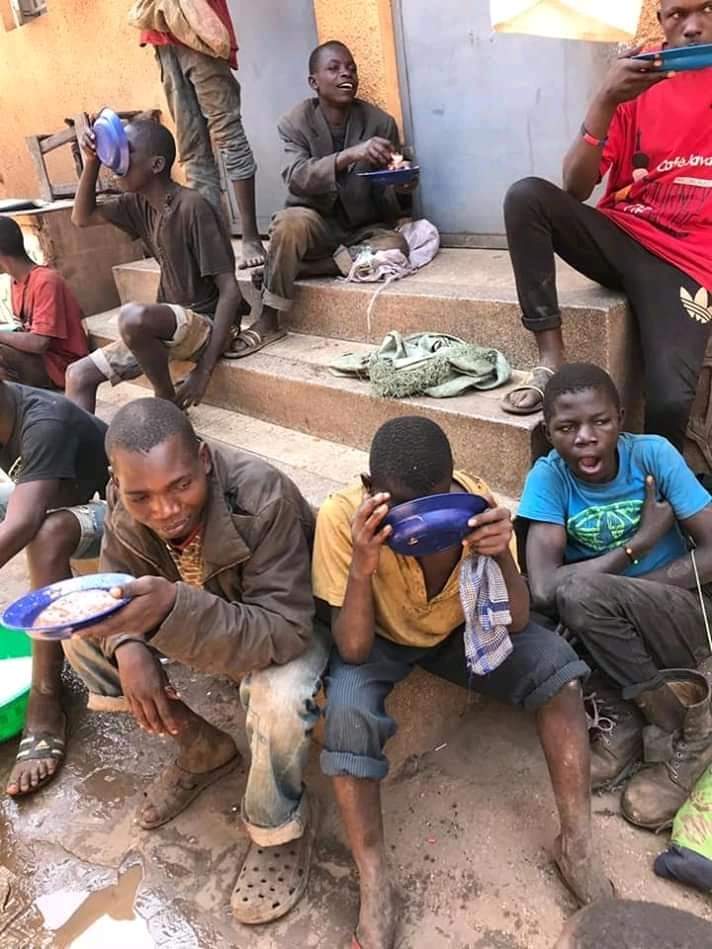
The feeding program remained the central activity during outreach sessions. On most Mondays and Wednesdays, children were provided with cassava and beans, while one session included maize flour and beans. On Fridays, meals consisted of maize flour, beans, and cabbage.

During various interactions, many children expressed concern about the cold weather at night, with some requesting additional clothing for protection. Through support from friends and well-wishers, a number of sweaters and shirts were distributed to some of the children. However, the demand for clothing continues to exceed the available resources.

Positive Development: Behavioral improvements among participating children have been noticeable. Cases of public drug use have reduced significantly compared to previous months.
Health and Child Protection

The behavior of the children has generally shown improvement compared to previous months. Incidents of public drug use have reduced, largely as a result of increased law enforcement operations targeting both suppliers and users. While some children may still be engaged in substance use, many have become more cautious and less open about such behavior. This has contributed to a calmer and more stable environment during outreach sessions.

The most commonly used substance that continues to affect the health of several children is aviation fuel. Its distribution is difficult to trace, as it is often acquired indirectly and stored in small quantities. However, there has been a noticeable decline in the number of children using it. As the city continues to undergo restructuring and development, access to illicit substances has become increasingly limited.

There have been several cases of illness among children attending the program such as illnesses including pneumonia, infected wounds, malaria, and other health, with some requiring medical attention before leaving the program center. In recent weeks, following the Ebola outbreak, public health facilities have become more accessible and actively engaged due to increased national attention on child health and infectious disease control. As a result, both street-connected and community children have benefited from free screening services and preventive interventions, which has helped reduce overall medical expenses for the program. However, one of the main challenges has been managing hospital care when multiple children require admission at the same time. The most common health conditions reported have included pneumonia, infected wounds, and one case involving a persistent rib related injury that remains under observation. Children diagnosed with malaria were treated with medication and discharged accordingly.

Critical Need: Additional cooking equipments are urgently required. The purchase of three large saucepans would significantly improve meal preparation efficiency and allow larger groups of children to be served on time and feeding supplies.
Friday Outreach Successes

Friday programs continued to operate successfully. Children were given time to rest after arrival, provided they washed their clothes and participated in hygiene activities. Volunteer barbers visited the program and offered free haircuts and nail care services, making a meaningful contribution to the children's well-being.

During one session, the film GIANT was shown to encourage reflection on discipline, personal choices, and future aspirations. Combined with the distribution of clean clothing, haircuts, and improved hygiene support, these activities helped reduce stigma and strengthen the children's confidence within their communities.

Looking Ahead: Despite relocation challenges, outreach efforts are achieving better outcomes in communities with lower levels of drug activity. These environments provide greater opportunities for successful rehabilitation, reintegration, and long-term stability for vulnerable children.

Education Programs Report Isaiah

EDUCATION PROGRAMS

Education remains one of the most significant and transformative aspects of the children's lives, w hich is why we continue working diligently to ensure that every child has the opportunity to attend school. Since the conclusion of the previous term, preparations for the new school term have brought both progress and ongoing challenges.

While the first cohort of children successfully reported back to school, a significant number have not yet resumed due to outstanding school fee balances and the costs associated with meeting school requirements, which we are still working to fulfill.

The children who returned to school reported with the compulsory scholastic materials and requirements requested by their respective schools, including items such as reams of paper, toilet paper, and medical fees. However, many of the boarding children have not yet received their personal basic necessities, and efforts are ongoing to provide these essential materials as resources become available.

For the children in primary school, there remains a considerable school fee balance that must be cleared to enable full attendance. The situation is similar for the secondary school students, particularly those with outstanding balances carried forward from the previous term. As a result, only the children whose fees have been fully or partially cleared have been able to attend classes and participate fully in school activities.

Despite these challenges, we have continued receiving report cards from the previous term for those children whose school fees were successfully paid. The academic reports received so far indicate encouraging progress among many of the children. While some continue to face learning difficulties, particularly in foundational reading and writing skills, there is evidence of gradual improvement and increased commitment to their studies.

Some of the struggling children continue to face significant challenges in learning, particularly in understanding and interpreting questions written in English. In many cases, they require the questions to be translated into Luganda before they can respond appropriately. The primary challenge is not a lack of knowledge, but rather difficulty comprehending English instructions. Once the questions are translated, they are generally able to complete the tasks correctly.

This situation may require some children to repeat their current class or return to a lower grade in order to strengthen their foundational language skills. They need additional time to master letter recognition, alphabet sounds, vowels, pronunciation, sentence construction, and basic grammar.

Since examinations are conducted in English and are not translated into Luganda, developing a strong foundation in English remains essential for their academic success.

Our greatest hope has been for the learners themselves to participate in the decision regarding whether they should repeat a class or return to a lower grade next year. Such a decision would help them appreciate the importance of building a solid foundation in language and grammar.

Had the decision been made entirely on their behalf, they might not have fully understood or accepted the reasoning behind it. By taking part in the process, they are more likely to recognize the value of strengthening these foundational skills before progressing further.

Particular attention continues to be given to children who were recently resettled into new schools. Although adjusting to new learning environments remains challenging for some, many are gradually settling in and becoming more comfortable with their teachers, classmates, and academic expectations.

Another area that continues to require attention is the provision of school uniforms. Several children attended the previous term without complete uniforms, and efforts are being made to ensure that all children are properly equipped in accordance with school requirements. This remains especially important for those who transferred schools and must meet the uniform standards of their new institutions.

Behaviorally, the children continue to show positive growth. Most of the primary school children are adapting well and demonstrating improved discipline and responsibility. While some challenges remain among a few of the older boys, there has been encouraging progress compared to previous terms.

Although financial constraints continue to affect enrollment and school attendance for some children, we remain hopeful that with continued support, every child will have the opportunity to access education and continue moving toward a brighter future.

Looking ahead, our priority remains ensuring that all children are able to resume school without interruption, complete their educational requirements, and continue building on the progress achieved so far.

Outstanding Financial Demand

Total Oustanding balance last term: $1220

Term two fees balance: $7,870
Impact Dashboard
2,858 children supported since 2005
803 cases assessed engaged
644 children rescued, rehabilitated & reintegrated
58 children intercepted
167 Caregivers supported under the Family Empowerment Program
51 street outreaches conducted
273 children received medical services
165 children supported in Education
34 youth acquired skills
1,716 Children & Youth Empowered to claim their rights
34 families
Street Youth Group Counseling Initiative Report

STREET YOUTH GROUP COUNSELING INITIATIVE

15

Total Boys

6 Boys

Regular Attendance

3 Boys

Focused & Concentrated

6 Boys

Transition Ready

9 Boys

Irregular Attendance

Participation Summary

Regular Attendance
Focused & Concentrated
Transition Ready
Irregular Attendance
Program Progress
The Street Youth Group Counseling Initiative has continued to build upon the progress reported during the previous period. Through consistent engagement, mentorship, and relationship-building, the group of fifteen boys identified for focused intervention remains actively involved in the counseling process. While attendance still fluctuates among a few participants due to the unpredictable realities of street life, the overall level of commitment and openness has steadily improved. The counseling group has continued to operate smoothly, with six boys consistently attending the sessions, while others still face challenges in maintaining regular participation. Attendance at each counseling session typically ranges between three and six boys.


Morning routine

The sessions are held in the evenings and take place at various locations, including outdoor gardens and restaurants, depending on the number of participants and the suitability of the venue. At the end of each session, the boys collectively discuss and agree on the location for the next counseling meeting, which helps encourage ownership, participation, and commitment to the program.

Counseling Focus Areas
Over the past months, counseling sessions have increasingly focused on personal responsibility, emotional healing, conflict resolution, goal setting, and preparation for life beyond the streets. Many of the boys have become more willing to discuss their personal experiences, fears, and aspirations. This growing trust has enabled deeper conversations around trauma, substance abuse, peer influence, family relationships, and the practical challenges associated with leaving street life behind.
Success Story & Transition Progress
One of the most encouraging developments has been the continued progress of the young boy who was previously identified as a potential candidate for transition into the Independent Living House Program. Following ongoing assessment and counseling, he successfully completed the final stages of preparation and has now begun the transition process. Throughout this period, he demonstrated maturity, consistency, and a genuine desire to build a different future for himself. His willingness to embrace guidance and participate fully in the rehabilitation process has provided encouragement not only to staff but also to other boys within the group.

His transition has created renewed hope among the remaining participants. Several boys who were previously uncertain about rehabilitation have expressed greater interest in vocational training opportunities and future placement within the Independent Living House Program. Seeing a peer successfully move toward rehabilitation has helped make the process more tangible and achievable in their minds.

Challenges Encountered
At the same time, the initiative continues to face significant challenges. Many of the boys remain exposed to daily pressures associated with street survival, including substance abuse, criminal activity, exploitation, and violence. Some participants continue to move frequently between locations, making regular follow-up difficult. In addition, the lack of stable shelter and income opportunities remains a major obstacle to long-term rehabilitation for many of the youth.
Family Reintegration
Family tracing and family engagement efforts have also continued where appropriate. In several cases, contact has been established with relatives willing to participate in discussions regarding future reintegration possibilities. However, family reunification remains a complex process, particularly where previous neglect, conflict, or separation has occurred. Each case continues to be assessed individually to ensure that any future reintegration serves the best interests of the young person involved.

As the program moves forward, preparation is underway for the next group of boys who may qualify for placement into vocational training and independent living support. Individual assessments are being conducted to determine readiness levels, personal interests, educational backgrounds, and vocational pathways that can provide sustainable opportunities for self reliance.

Future Plans
Assessments are underway for boys who may qualify for vocational training and independent living support. The Street Youth Group Counseling Initiative remains an essential entry point for rehabilitation among older street youth. Through patience, consistency, and relationship-centered support, the program continues to create opportunities for transformation among young people who are often overlooked by traditional intervention programs. We remain encouraged by the progress achieved so far and look forward to sharing further updates as additional boys advance through the rehabilitation and transition process toward stable, independent living.

The program remains an important entry point for rehabilitation among older street youth and continues to create opportunities for transformation.

Rehabilitation Programs Report

𝐑𝐄𝐇𝐀𝐁𝐈𝐋𝐈𝐓𝐀𝐓𝐈𝐎𝐍 𝐏𝐑𝐎𝐆𝐑𝐀𝐌𝐒

Children's Transformation and Development Journey.

Program Progress

The children continue to make encouraging progress in their behavior and character development. We have observed increased levels of discipline, respect, cooperation, and appreciation among them. They are learning to relate with one another in a positive manner, creating a more supportive and peaceful shelter environment. The boys have shown noticeable improvement in their interactions and conduct. They are becoming more considerate, cooperative, and calm when dealing with one another. Through continuous guidance, they are learning to express themselves better, handle conflicts peacefully, and build healthier friendships.

The girls continue to excel in developing practical life skills and personal responsibility. They actively take part in household duties, keep their belongings organized, and assist with various daily tasks, including meal preparation. Their commitment to teamwork and responsibility contributes greatly to the smooth running of the shelter. Participation in daily chores remains an important part of the rehabilitation program. The children are assigned responsibilities according to their age and ability, helping them develop independence, accountability, and a strong work ethic. They continue to show improvement in carrying out their duties and supporting one another.

Mentorship and counseling activities remain valuable tools in the children's personal development. Regular sessions with former street children who have successfully transformed their lives provide encouragement, practical advice, and positive role models for the children. Additionally, a mentoring pastor continues to visit the shelter on a monthly basis, offering spiritual guidance and emotional encouragement. These visits help strengthen the children's confidence, inspire hope, and encourage them to pursue positive goals for their future.

Overall, these mentorship and counseling programs continue to foster emotional growth, strengthen self-esteem, encourage positive decision-making, and support the ongoing transformation of the children.

Academics

The one-month holiday has been quite occupied and busy for all the children. It was also busy for the secondary school students due to the change in the education curriculum, which is more hands-on.

The primary children continued with their holiday studies throughout and only had a one-week holiday to finish up the holiday question booklet and then go through all their books for signing. This is basically a supervision technique to ensure they are all doing their classwork, as boys struggle the most with both home and classwork.

The holiday books are different from the class books and weekend books, making it possible for each child to have more than 18 books. It took at least four nights to finish reviewing all 16 children whose schools require this supervision to be done by the parents.

The girls are more organised and do their revisions and classwork better than the boys. After the whole thorough process, the only warnings were given to the boys who turn the books into cartoon and sports illustration books, which is a common playful boys' mechanism. The signing of all the books was fully done and completed.

Success Story / Transition Progress

One participant successfully completed preparation and began transitioning into the Independent Living House Program.

Participant Response

Several boys have expressed increased interest in vocational training and rehabilitation opportunities.

Challenges Encountered

Exposure to substance abuse, criminal activity, exploitation, violence, unstable shelter, and limited income opportunities.

Current Need

Assessments are underway for boys who may qualify for vocational training and independent living support.

Conclusion

The program remains an important entry point for rehabilitation among older street youth and continues to create opportunities for transformation.